ฉางโจว วีอาร์คูลเลอร์ เครื่องทำความเย็น บจก. บจ

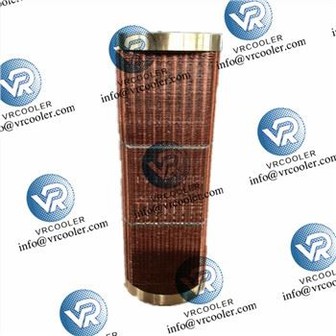
ชุดหม้อน้ำเครื่องกำเนิดก๊าซชีวภาพ (เครื่องทำความเย็นแบบแห้งทั่วไป / เครื่องทำความเย็นด้วยอุณหภูมิ- และต่ำ-อากาศ-

ก๊าซชีวภาพชุดเครื่องกำเนิดไฟฟ้าหม้อน้ำ(โดยทั่วไปจะเป็นแบบแห้ง-ประเภทเครื่องทำความเย็นแบบใช้อากาศ / แยกการทำความเย็นด้วยอุณหภูมิสูง- และต่ำ-)

ก๊าซชีวภาพมีความชื้นสูง มีฤทธิ์กัดกร่อน และมีสิ่งเจือปนมากมาย ดังนั้น การออกแบบหม้อน้ำจึงให้ความสำคัญกับความต้านทานการกัดกร่อน การป้องกันการอุดตัน และการแยกการทำความเย็นที่อุณหภูมิสูง- และต่ำ- ในทางปฏิบัติทางวิศวกรรม เครื่องทำความเย็นแบบอากาศ-แบบแห้งถูกนำมาใช้เกือบทั้งหมด และไม่มีการใช้หอหล่อเย็นด้วยน้ำ

เพื่อให้มั่นใจในประสิทธิภาพและอายุการใช้งานที่ยืนยาว เครื่องยนต์ก๊าซชีวภาพโดยทั่วไปจะใช้ระบบทำความเย็นอิสระสองระบบ:

วงจรอุณหภูมิสูง- (HT)

การระบายความร้อน: น้ำซับสูบ เสื้อสูบ

อุณหภูมิ: 85–95 องศา

ฟังก์ชัน: ป้องกันเครื่องยนต์ร้อนจัดและรักษาประสิทธิภาพเชิงความร้อนให้คงที่

วงจรอุณหภูมิต่ำ- (LT)

ระบายความร้อน: อากาศอินเตอร์คูลเลอร์, น้ำมันเครื่อง, เครื่องอุ่นก๊าซชีวภาพ

อุณหภูมิ: 55–70 องศา

ฟังก์ชัน: ลดอุณหภูมิอากาศเข้า ปกป้องน้ำมันเครื่อง และรักษาเสถียรภาพของอากาศ-อัตราส่วนเชื้อเพลิง

แต่ละวงจรมีการติดตั้งตัวแลกเปลี่ยนความร้อนเฉพาะ ซึ่งเรียกรวมกันว่าเครื่องทำความเย็นแบบแห้งอุณหภูมิสูง- และต่ำ-

ความแตกต่างจากหม้อน้ำในเครื่องยนต์ดีเซล/ก๊าซธรรมชาติทั่วไป

เพิ่มความต้านทานการกัดกร่อน

ก๊าซชีวภาพประกอบด้วย H₂S และไอน้ำ ซึ่งมีฤทธิ์กัดกร่อนสูง ครีบและท่อต้องทนต่อการกัดกร่อน-

ทำความสะอาดง่ายยิ่งขึ้น

ก๊าซชีวภาพมีสิ่งเจือปนมากมาย และครีบระบายความร้อนมีแนวโน้มที่จะอุดตัน การออกแบบต้องอำนวยความสะดวกในการล้างน้ำและการเป่าลม

การควบคุมอุณหภูมิที่เข้มงวดยิ่งขึ้น

ค่าความร้อนของก๊าซชีวภาพมีความผันผวนอย่างมาก อุณหภูมิที่ไม่เสถียรในวงจรอุณหภูมิต่ำ-ส่งผลโดยตรงต่อกำลังขับและอุณหภูมิไอเสีย

การป้องกันการแช่แข็งในฤดูหนาว

สารป้องกันการแข็งตัวของเอทิลีนไกลคอลมักใช้เพื่อป้องกันท่อแตกเนื่องจากการแช่แข็ง


Biogas Generator Set Radiators (Typically Dry-Type Air Coolers / Separate High- and Low-Temperature Cooling) Biogas is highly humid, corrosive, and contains many impurities. Therefore, radiator designs prioritize corrosion resistance, clog prevention, and separate high- and low-temperature cooling. In engineering practice, dry-type air coolers are almost exclusively used, and water cooling towers are not employed.  To ensure efficiency and longevity, biogas engines generally employ two independent cooling systems: High-Temperature Circuit (HT) Cooling: Cylinder liner water, engine block Temperature: 85–95°C Function: Prevents engine overheating and maintains stable thermal efficiency Low-Temperature Circuit (LT) Cooling: Intercooled air, engine oil, biogas preheater Temperature: 55–70°C Function: Lowers intake air temperature, protects engine oil, and stabilizes the air-fuel ratio Each circuit is equipped with a dedicated heat exchanger, collectively referred to as high- and low-temperature dry coolers.  Differences from Radiators in Conventional Diesel/Natural Gas Engines Enhanced Corrosion Resistance Biogas contains H₂S and water vapor, which are highly corrosive; fins and piping must be corrosion-resistant. Easier to Clean Biogas contains many impurities, and cooling fins are prone to clogging; the design must facilitate water washing and air blowing. Stricter Temperature Control Biogas calorific value fluctuates significantly; unstable temperatures in the low-temperature circuit directly affect power output and exhaust temperature. Winter Freeze Protection Ethylene glycol antifreeze is commonly used to prevent pipe bursts due to freezing.

คุณอาจชอบ

ส่งคำถาม